
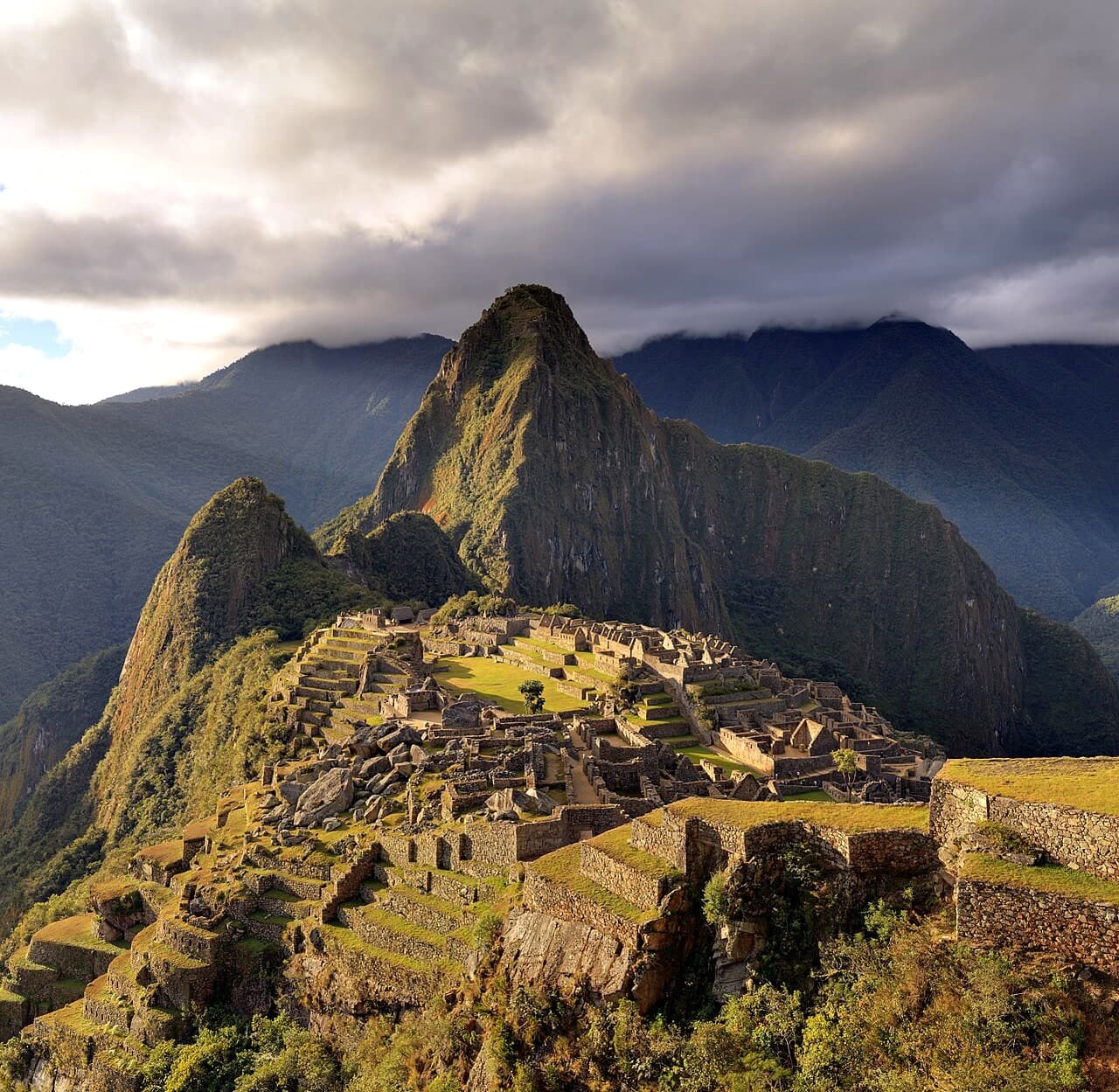
The citadel sits in cloud forest above the Urubamba, at about 2,430 meters. It is not a snowfield, and it is not the jungle floor. Days are mild. Dawn at the gate is the cold part of the visit.
Milder than Cusco
Cusco is about 3,400 meters and colder at night. SERNANP describes temperatures around the sanctuary in the mid-teens Celsius. That is a description of the place, not a forecast for your date. The 6:00 entry feels cooler than the middle of the day, especially in June and July. Midday in the sun feels warmer than the number suggests.
When it rains
The rainy season runs from November through March. Rain often builds in the afternoon, and a whole morning can sit in cloud. January and February are the wettest. April through October bring fewer rainy days, not a guarantee of a clear sky. A shower in July is ordinary. Mist at the first entry is common in every month.
What to do with that
Wear layers and bring a shell, whichever month you choose. Wet stone is slippery. If the train is part of the plan, give it slack in the rainy months, because heavy rain in the valley sometimes delays it. The entry hour on the ticket stays where it is. We do not control the weather.
More to read
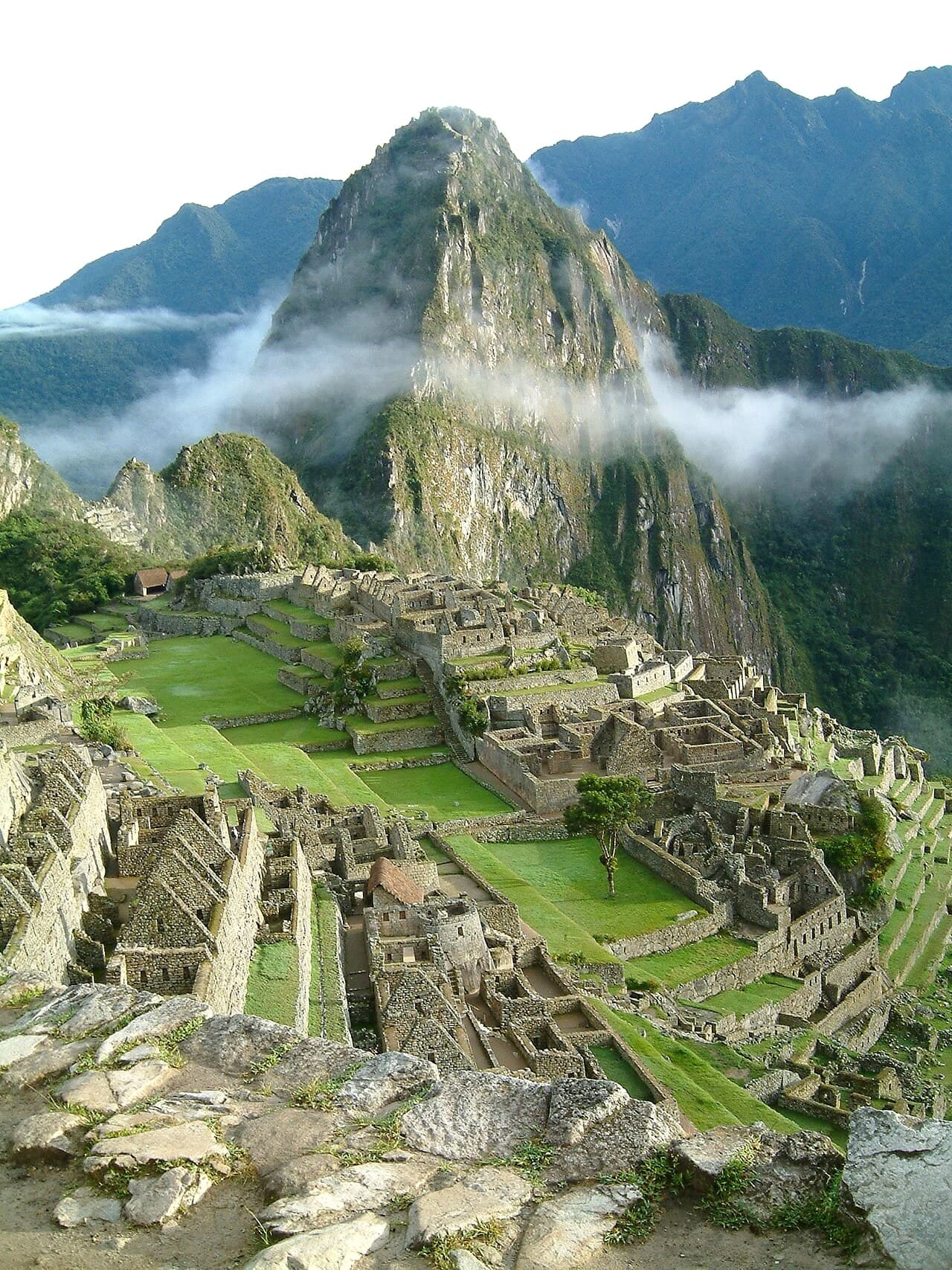
When to visit Machu Picchu
Dry months at Machu Picchu are busier, rainy months are greener, and the citadel stays open every day. How to choose an entry hour.
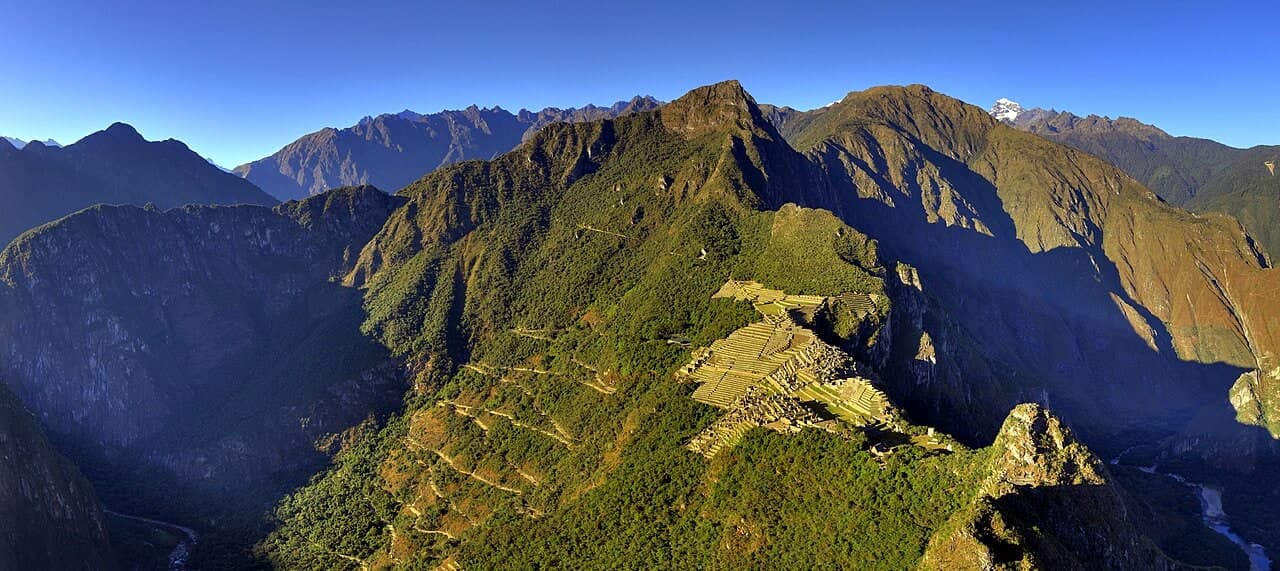
What to wear and bring to Machu Picchu
What to wear and bring to Machu Picchu: shoes with a tread, layers, a rain shell, sun protection, and the passport that matches the ticket.